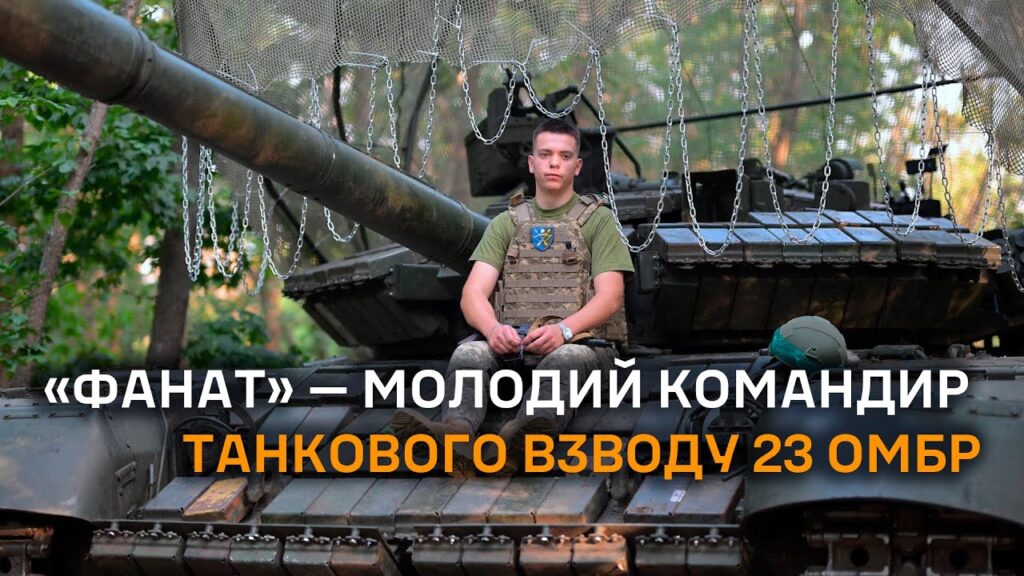
He is 21. His name is Oleg, and his call sign is “Fanat.” He is the commander of a tank platoon in the 23rd Mechanized Brigade. His military career began long before he reached the front lines — back when he was just fifteen.
That was when he enrolled in the Lviv State Lyceum with Enhanced Military and Physical Training, named after the Heroes of Kruty. That’s where it all began — discipline, his first impressions of military service, and the initial realization that this path could become his life’s calling.
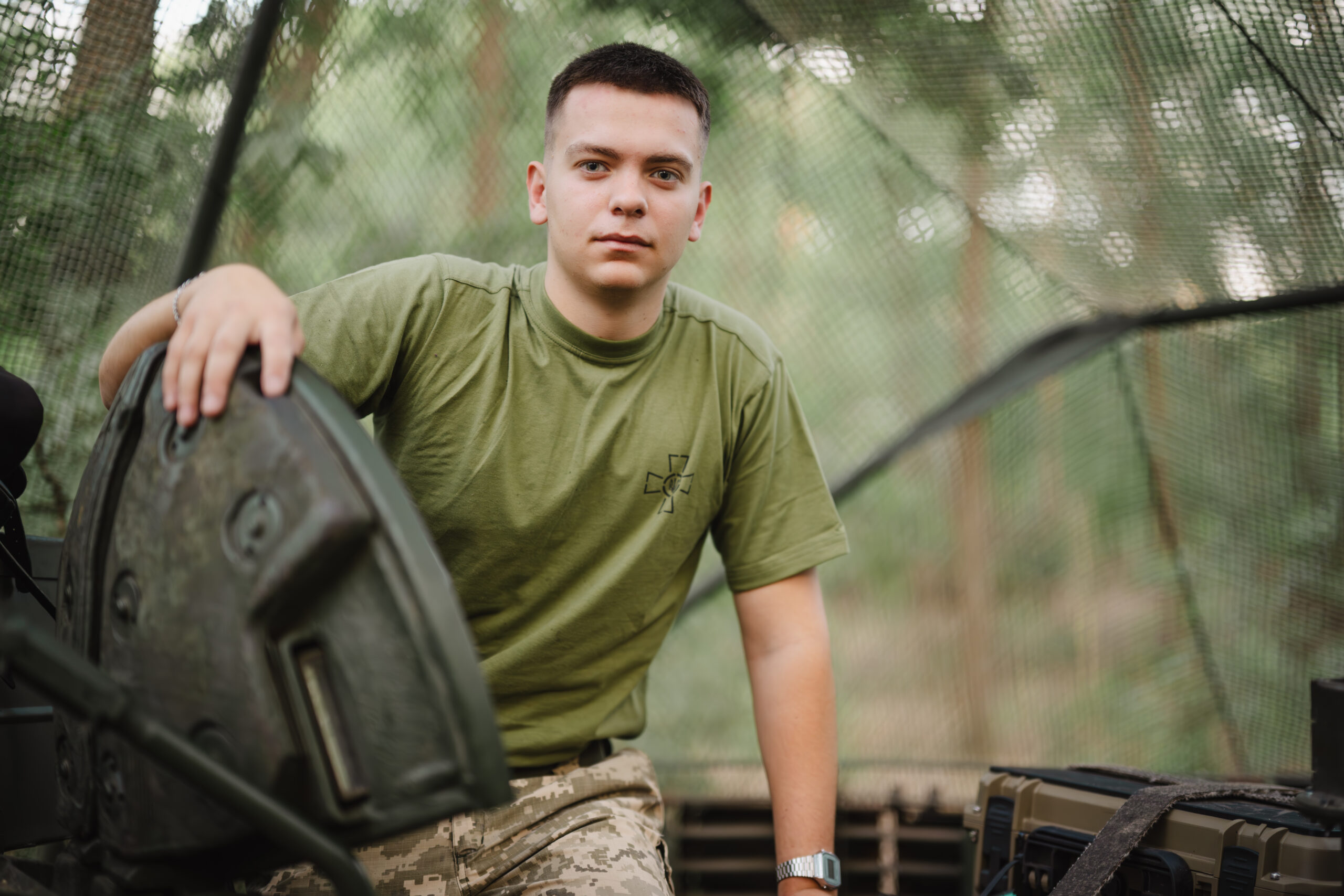
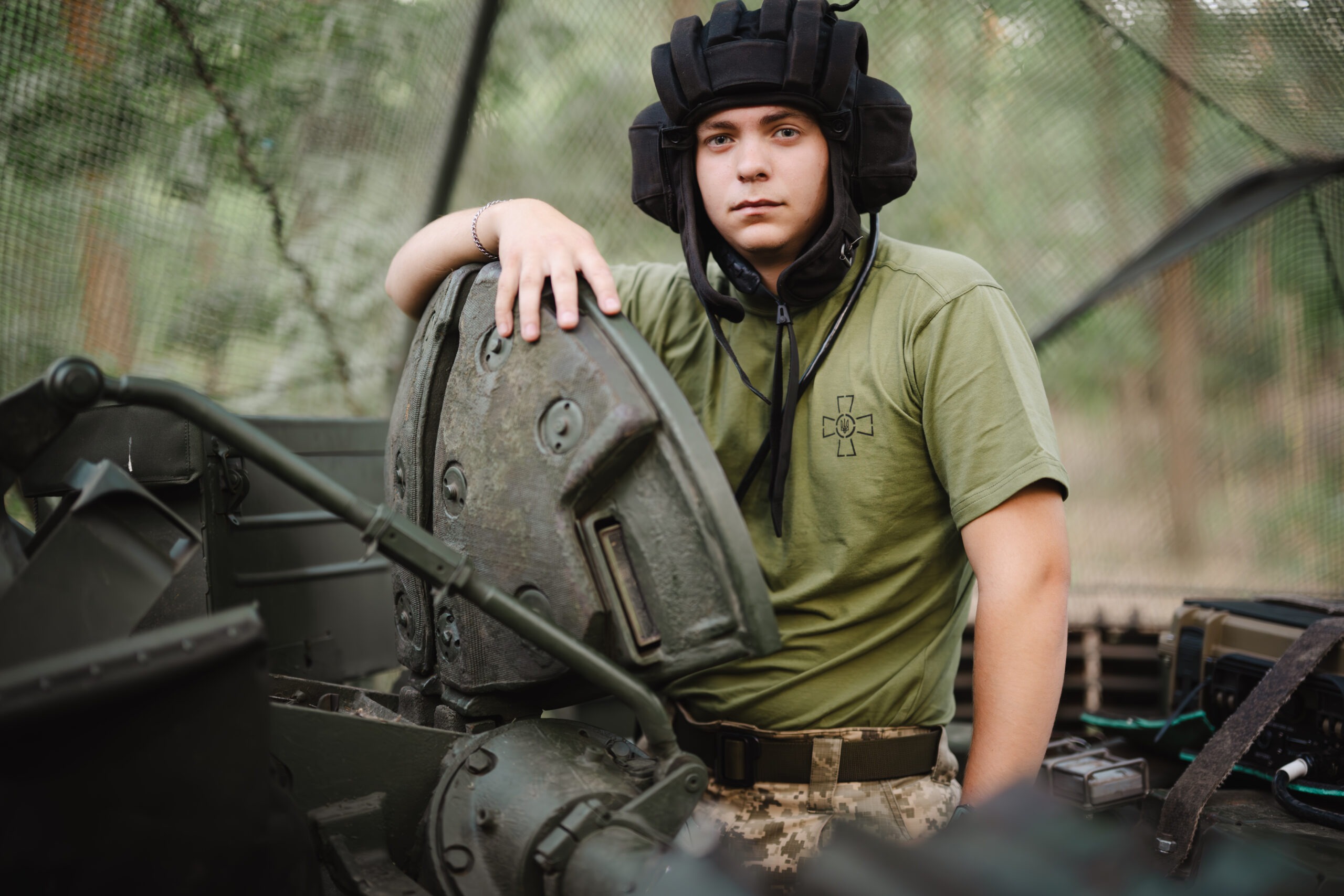
After high school, his decision was a conscious one: to join the military. But why a tank crewman? His answer is simple yet deeply personal. His grandfather was a tank crewman. And before enrolling in the Hetman Petro Sahaidachny National Army Academy, he had a dream: his grandfather was standing before him, holding a black beret with a tank insignia. Oleg took this as a sign — a call he couldn’t ignore.
Four years of training at the academy — the Faculty of Combat Operations and Tank Unit Command. Those were years of trials. It was especially hard at first: he was young, far from home, and without his usual surroundings. But over time, he adjusted; he made friends, found his rhythm, and came to understand his role.
He completed his internship in the Kherson sector as part of the 121st Tank Brigade. There, training focused less on technical skills and more on the commanders’ experience — through explanations, observation, and analysis of actual combat operations. Live broadcasts and debriefings helped shape his understanding of modern warfare.
Interestingly, the unit where he was doing his internship had almost no equipment. Just one captured APC — and nothing else. No tanks, no live-fire exercises. This stood in stark contrast to the academy, where he had studied driving, the duties of a driver-mechanic, a gunner, and a commander. He fired from covered positions and operated the T-64 and T-72 in direct fire mode. Among them, he singled out the T-64 as one of the best models.
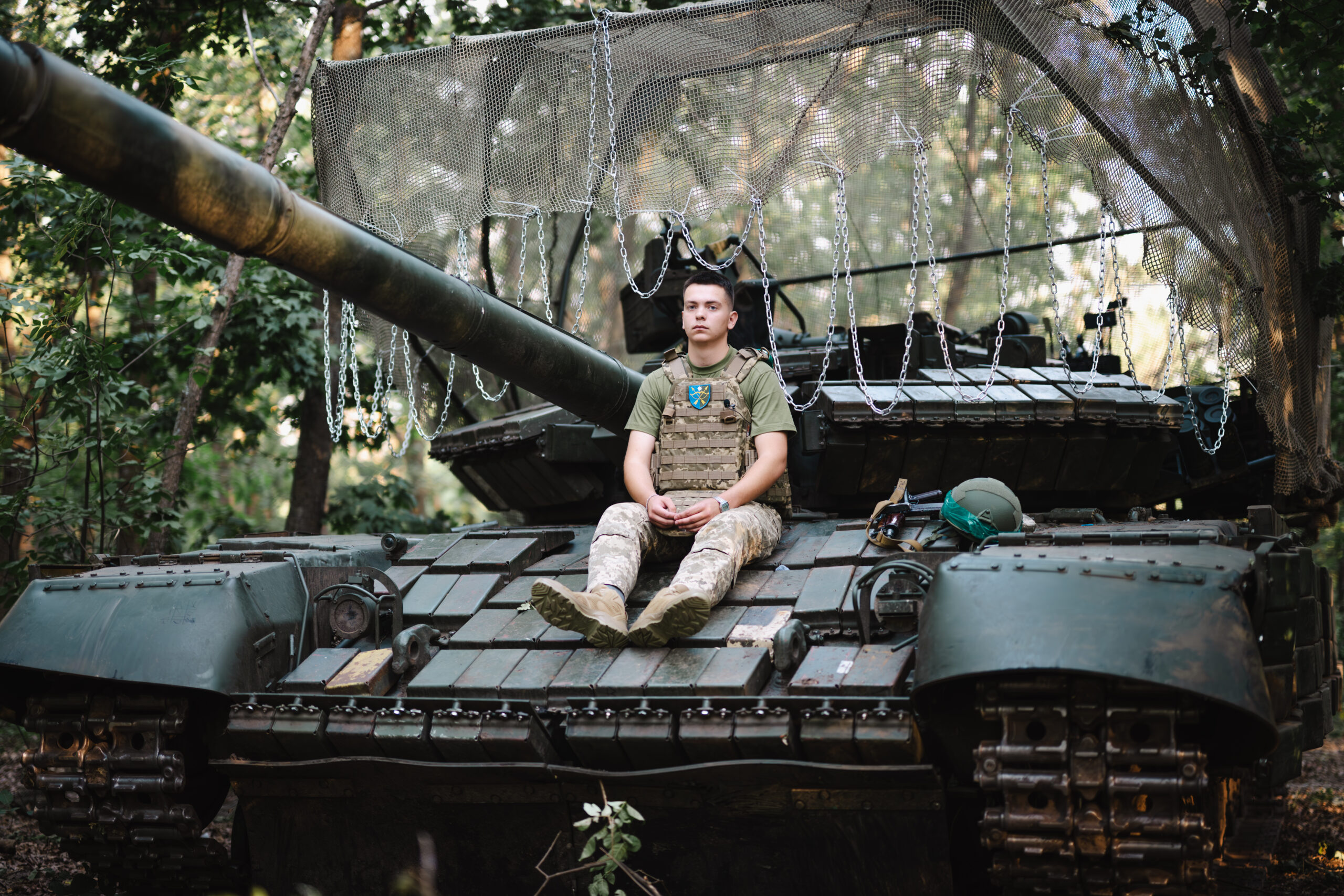
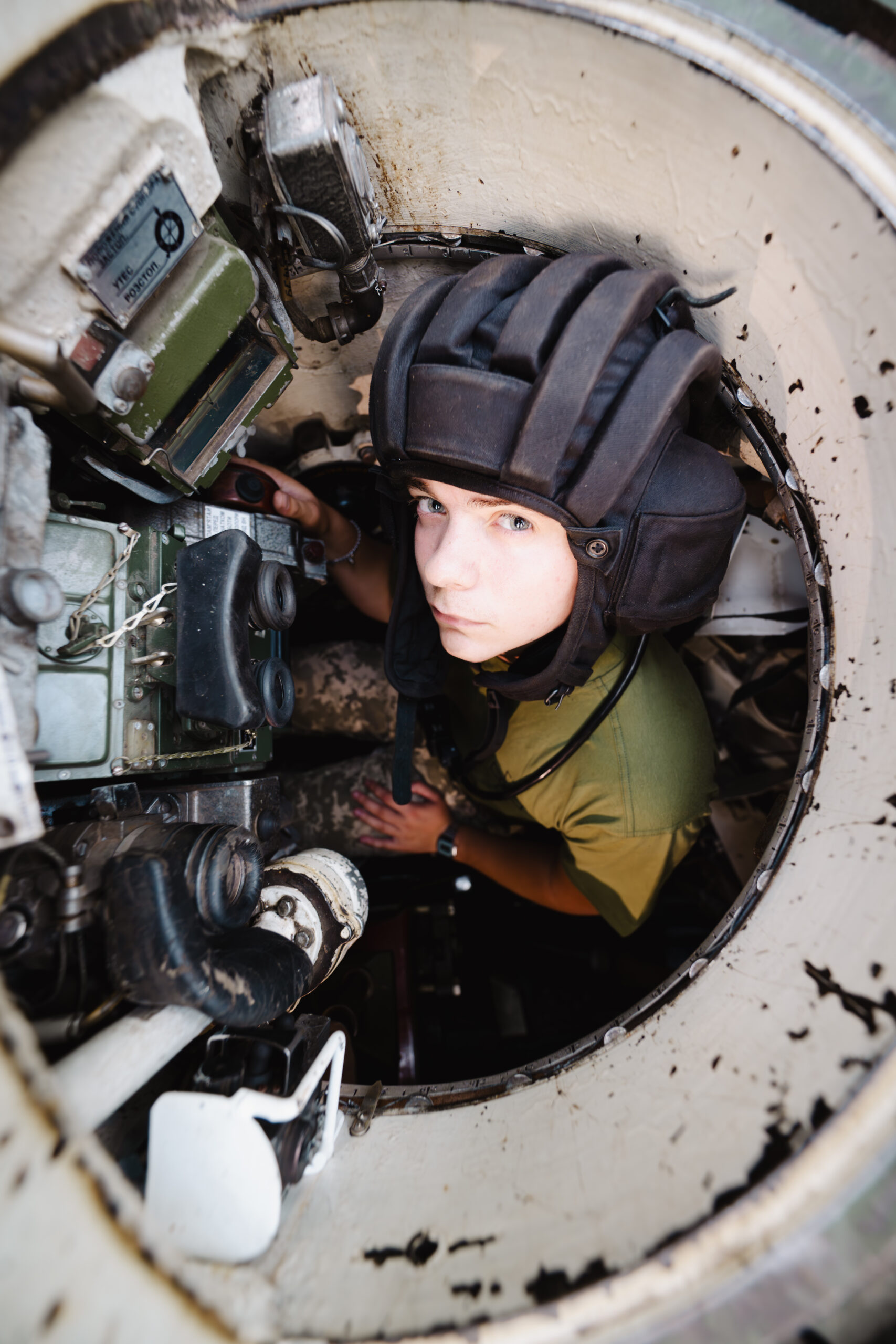
He was assigned to the 23rd Brigade. The decision came easily — almost intuitively: the 23rd Brigade was one of the options, and his favorite number was 24. The closest number was 23. So that’s what he chose.
And he didn’t regret it.
Right away, he sensed what mattered most here — the team. Supportive comrades, a command that understands, an atmosphere where “one for all and all for one” is more than just a slogan.
At first, he was nervous: how to fit into a new environment, how to prove himself. But that feeling quickly passed. Because here, he says, the people are kind, open, and willing to help.
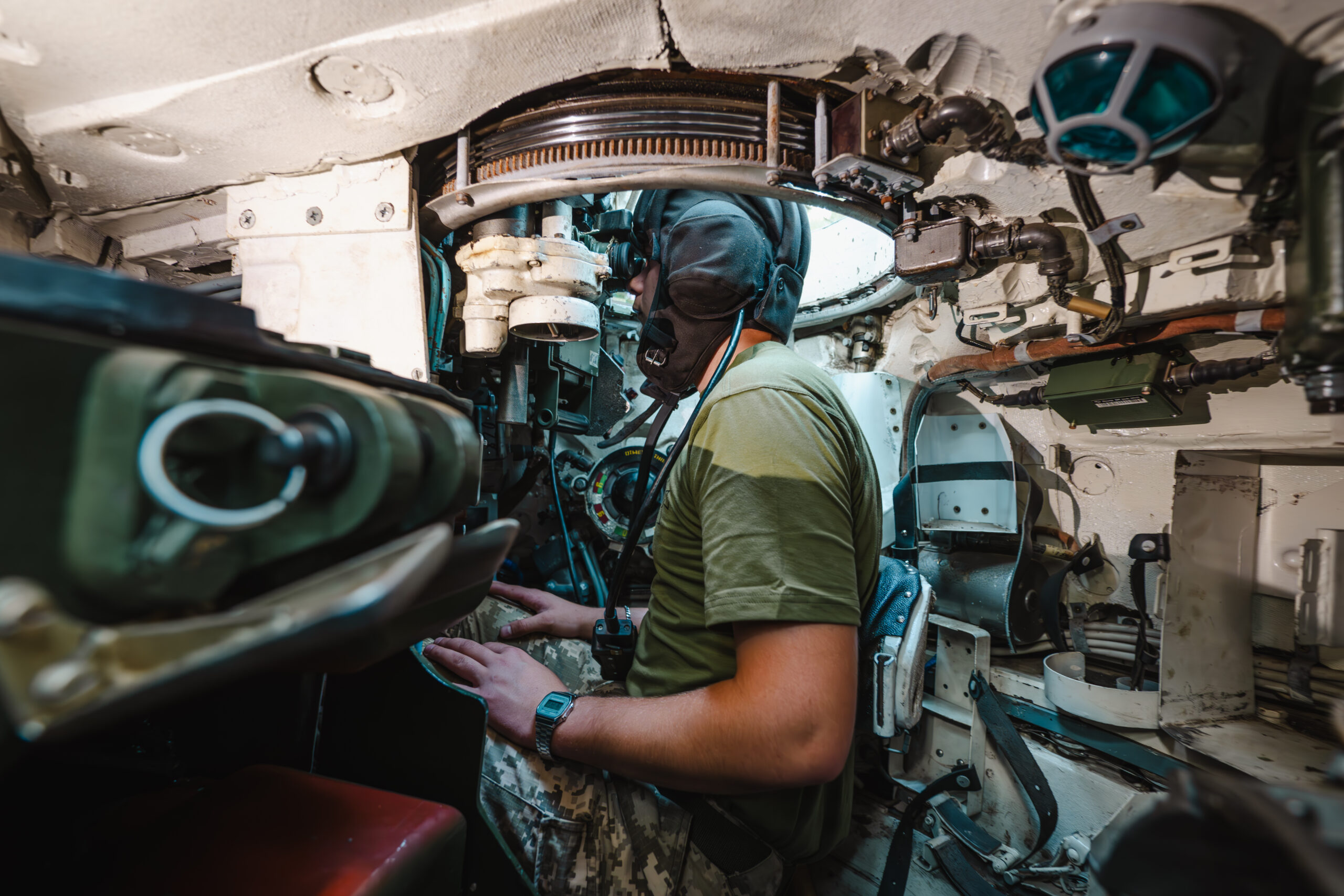
His place is in the tank. He’s the crew commander, where everything depends on mutual understanding. Everyone knows their role, and everyone is accountable for the outcome.
Military service is not just about combat operations; it also requires constant readiness. This includes standing duty, awaiting orders, and inspecting equipment. Before every deployment, there is communication with command, authorization for maintenance, warm-up procedures, inspections, and checks of systems, lubricants, and communications — both internal and external. Everything must function flawlessly.
The war feels close by. Drones, artillery, constant tension. It’s scary — sometimes, yes. But this is part of the reality in which he lives and works.
What was once just theory in academia has become practice here. Real challenges, real responsibility, and real people right here.
As a platoon commander, he is responsible for his unit’s combat readiness, cohesion, and support. This is a daily routine — training, supervision, and preparation.
Oleg doesn’t shy away from sensitive topics. He takes a negative view of those who evade military service. Because he sees the other side: the shortage of personnel, the exhaustion of those already on the front lines, the young men who would like to spend at least a little time with their families but have no one to replace them. And at the same time, there are those who live ordinary lives and do nothing to contribute to victory.
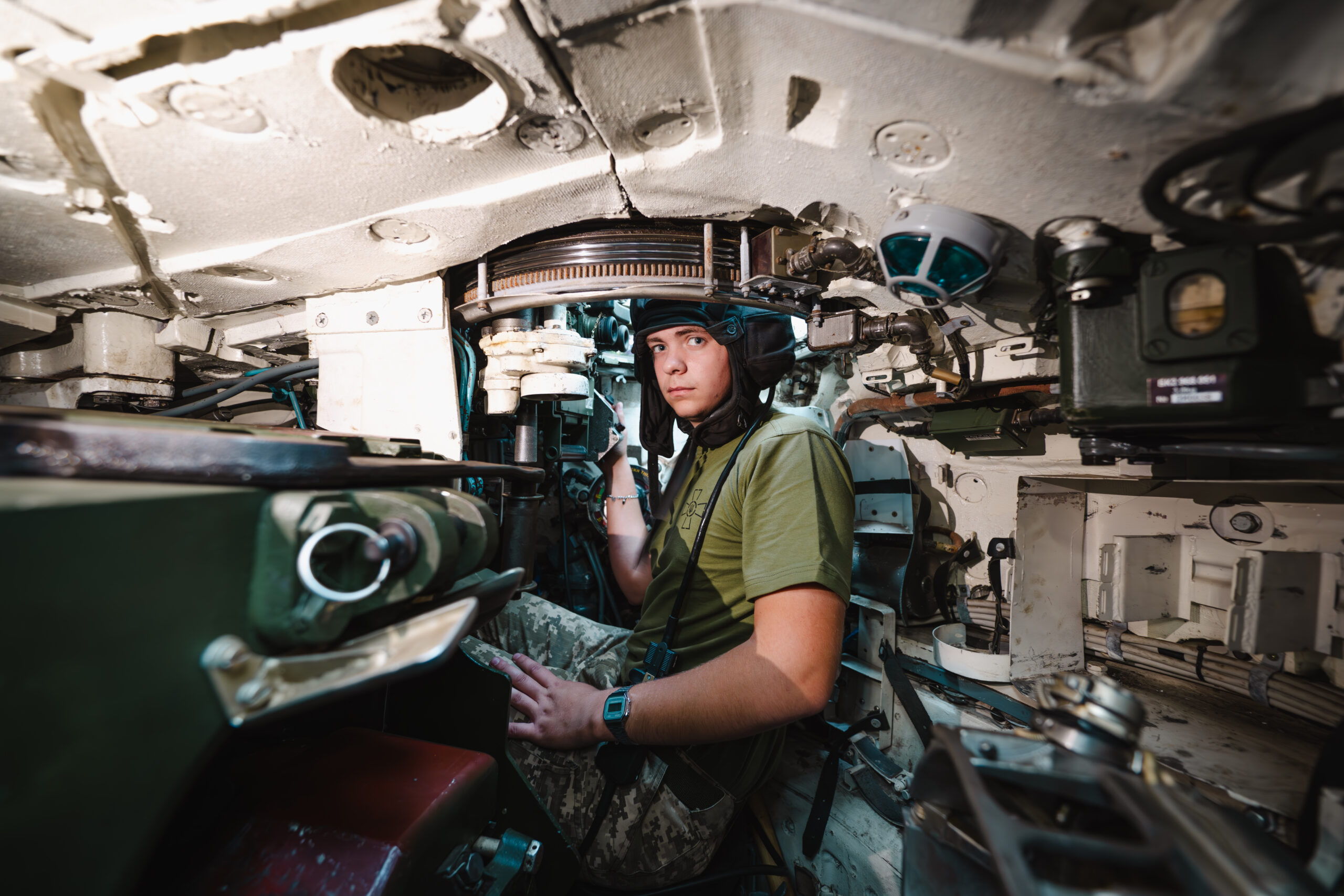
He says it straight out.
He also directly addresses those who are still deciding on their path: enroll in military academies. The country needs people who are ready to take on responsibility.
His story isn’t just about choosing a career. It’s about heritage, about a calling that became a decision, about a journey that began at age 15 and continues today as part of a tank crew.
About a person who has found their place — and is holding on to it.