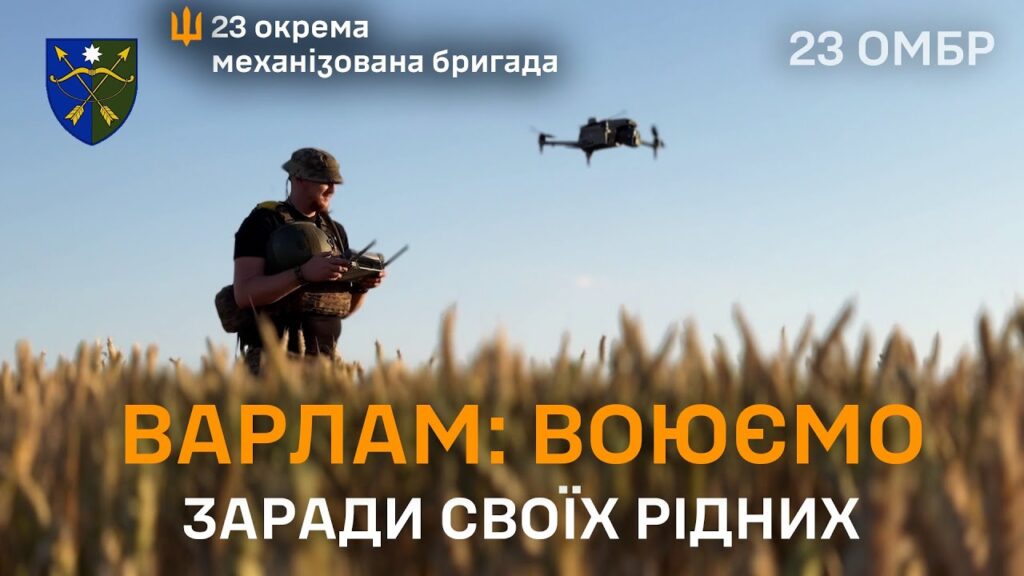
His call sign is “Varlam.” He is the sergeant major of the unmanned aerial vehicle platoon in the mechanized battalion of the 23rd Mechanized Brigade. His war did not begin at a drone control station — but in a security booth in Zaporizhzhia.
On February 24, he was on duty when the city came under bombardment. His reaction was swift and simple: together with his comrades, he joined a volunteer unit to defend Zaporizhzhia. At that time, their work was here, in the rear, but very close to the war: together with the police, the Territorial Defense Forces, and the military, they identified looters, curfew violators, and potential spotters. They did what was needed at that very moment.
Over time, the city grew quieter. And it became clear that the next step was to join the army. He volunteered at the Military Recruitment Center and was offered a chance to join the 23rd Mechanized Brigade, which was just being formed at the time. That’s how his journey in the Armed Forces of Ukraine began — at the stage when the unit was still just coming together, when people were getting to know each other, getting to know one another, and figuring out what each person was all about.
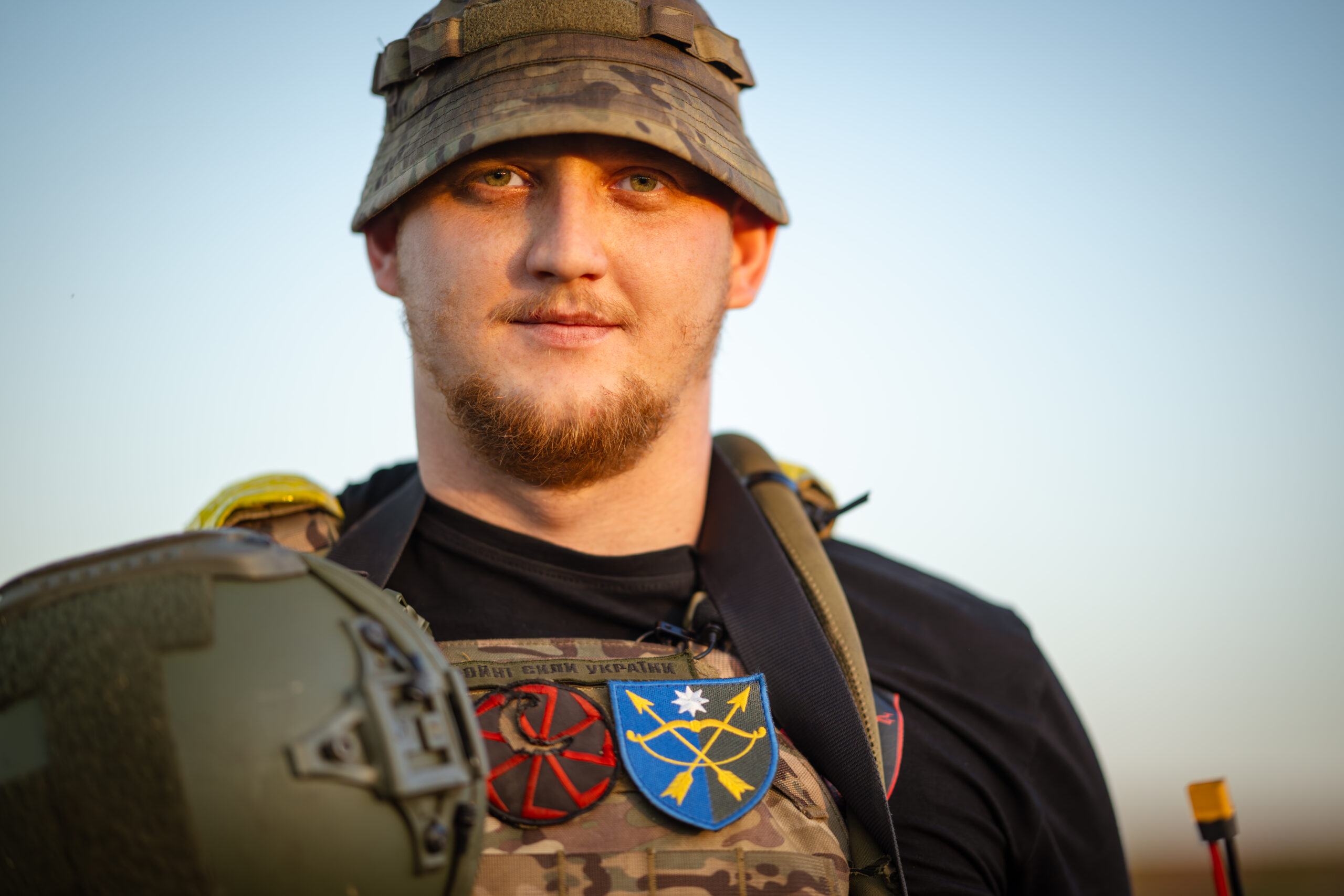
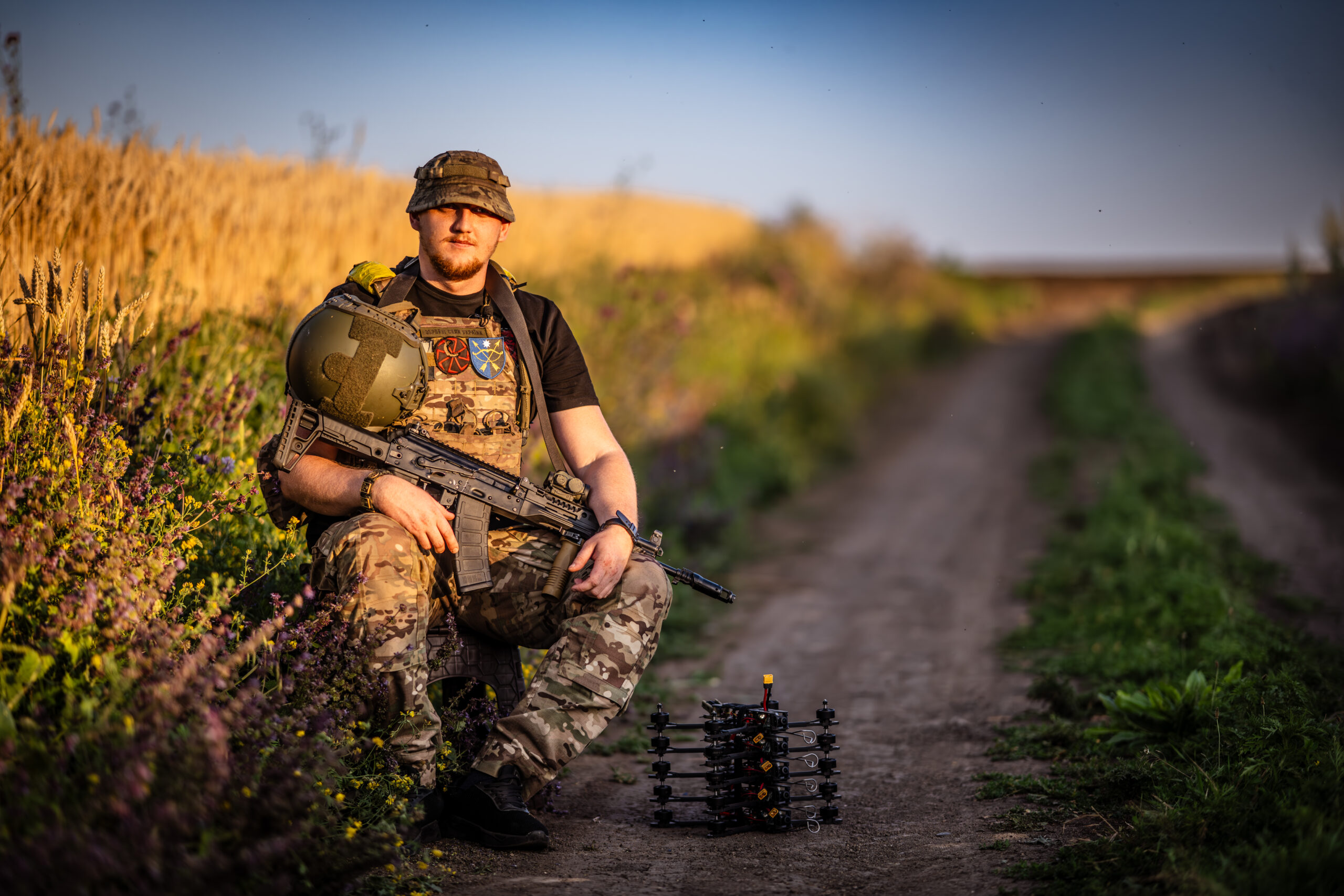
His first combat mission marked the start of the counteroffensive in the Zaporizhzhia sector. At the time, he was a Browning machine gunner. They prepared for this mission long and thoroughly: maps, drone footage, enemy positions, dugouts. Preparation began early in the morning: they checked their gear and first-aid kits and helped one another. And they set out on the mission with a sense of inner resolve — without panic, without obvious fear.
Fear, he says, is always there. But it simply takes a back seat to work.
After the counteroffensive, he continued his service in a mechanized company, handling logistics, evacuating the wounded, and recovering the fallen. He eventually became a company sergeant. Then he received an offer that marked the start of a new chapter: to become an FPV drone pilot.
He agreed.
At that time, FPVs were just beginning to be used extensively. It was something new, complex, and yet desperately needed. We didn’t just want to be on the front lines — we wanted to destroy the enemy and help our own.
The training took place in Kharkiv and lasted about a month. After that, together with my comrades, we started from scratch to set up everything we needed: equipment, procurement, assembly, and preparation for combat operations.
The first FPV missions took place in Chasiv Yar. There, the enemy was actively moving through the forest, hiding, and maneuvering. The work was difficult and unpredictable: there were hits, and there were also failed attempts. The FPV format itself offers no guarantees — every flight is a risk, the technology is still “raw,” and the process is only just taking shape.
My first mission was particularly memorable. My hands were shaking. My greatest fear wasn’t even of the enemy, but of the drone itself. Because you never quite know how it might behave. One careless move — and it could explode right in your hands.
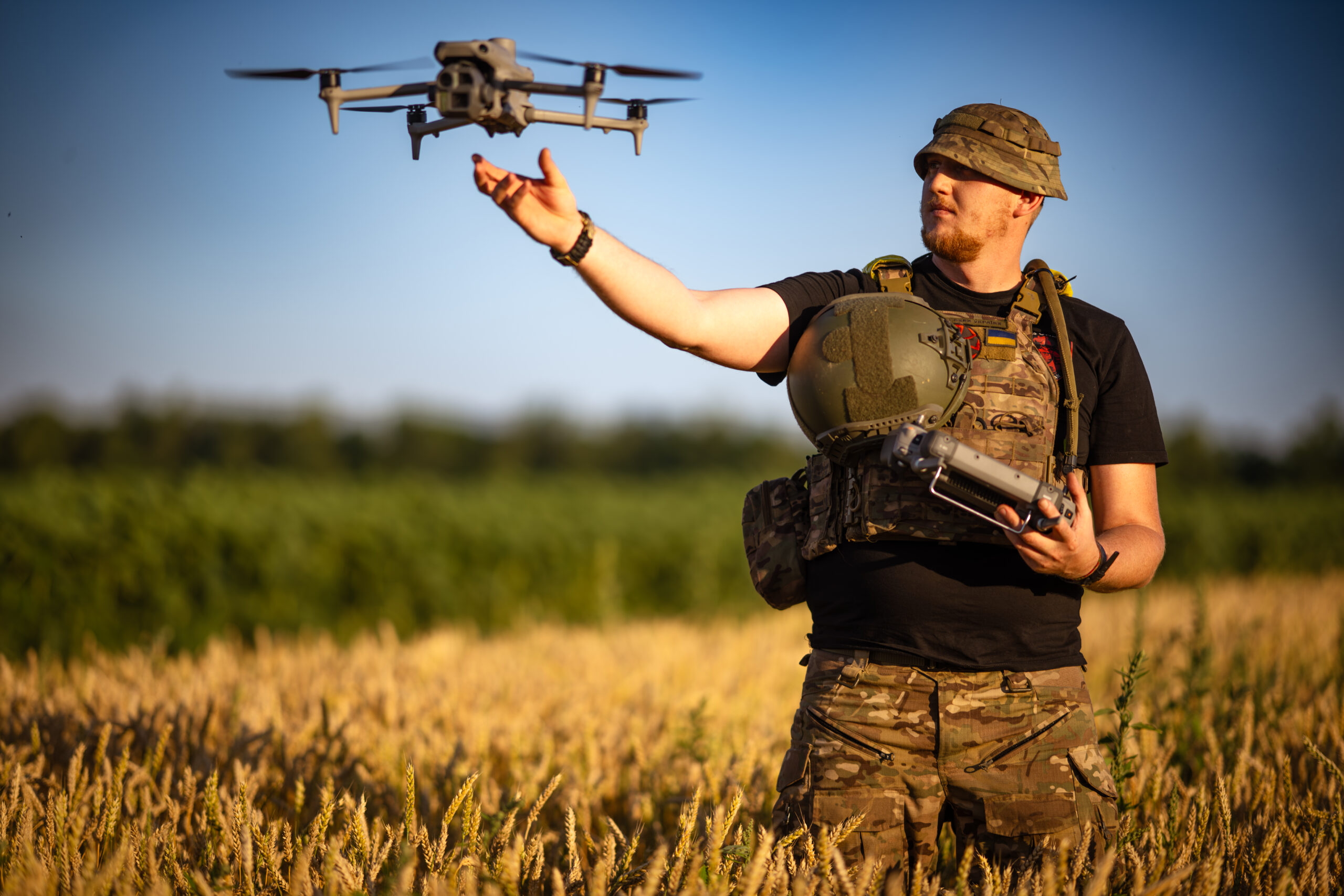
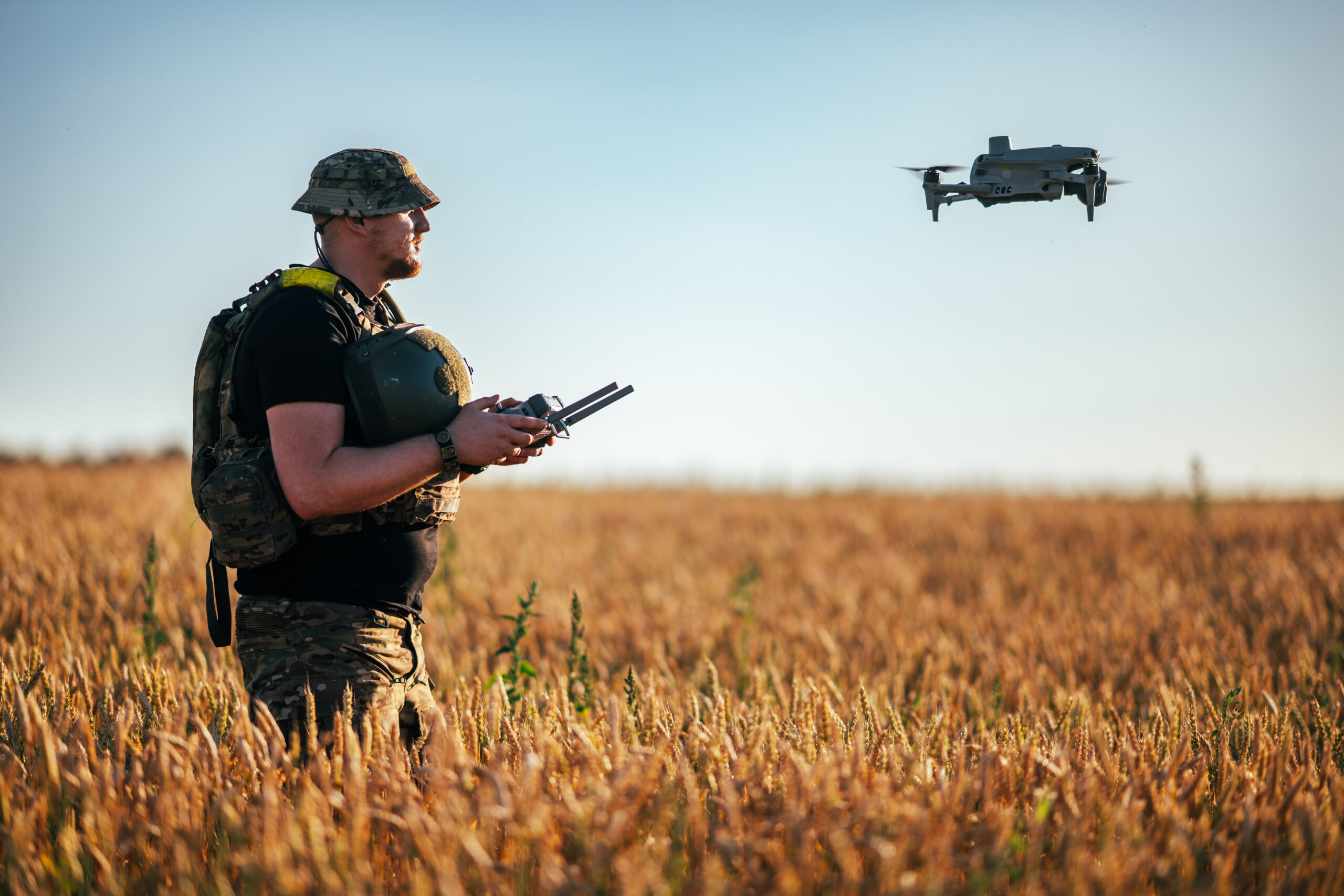
The initial results were far from perfect. We lacked an understanding of frequencies, equipment, and the specifics of operating in that particular area. But gradually, through communication with colleagues, through experience and trial and error, we managed to get everything up and running. A system emerged. We began to achieve results.
In Chasiv Yar, the fighting relied mainly on manpower. The enemy hid in the woods and in water pipes, trying to avoid being hit. But they were found even there.
Now the situation has changed — and become much more complicated. The enemy is actively using FPV drones on fiber-optic lines, controls logistics, and knows the routes. The most dangerous part isn’t the position itself, but the road to and from it. That’s where they lie in wait, and that’s where they strike.
As a master sergeant, he talks not only about combat operations, but also about the people. About how important it is to support them, encourage them, and explain why they are here. Not for some abstract cause — but for their loved ones.
He’s from Zaporizhzhia himself. It’s about 40 kilometers from the city. And he knows full well that if the enemy isn’t stopped here, his home could be next.
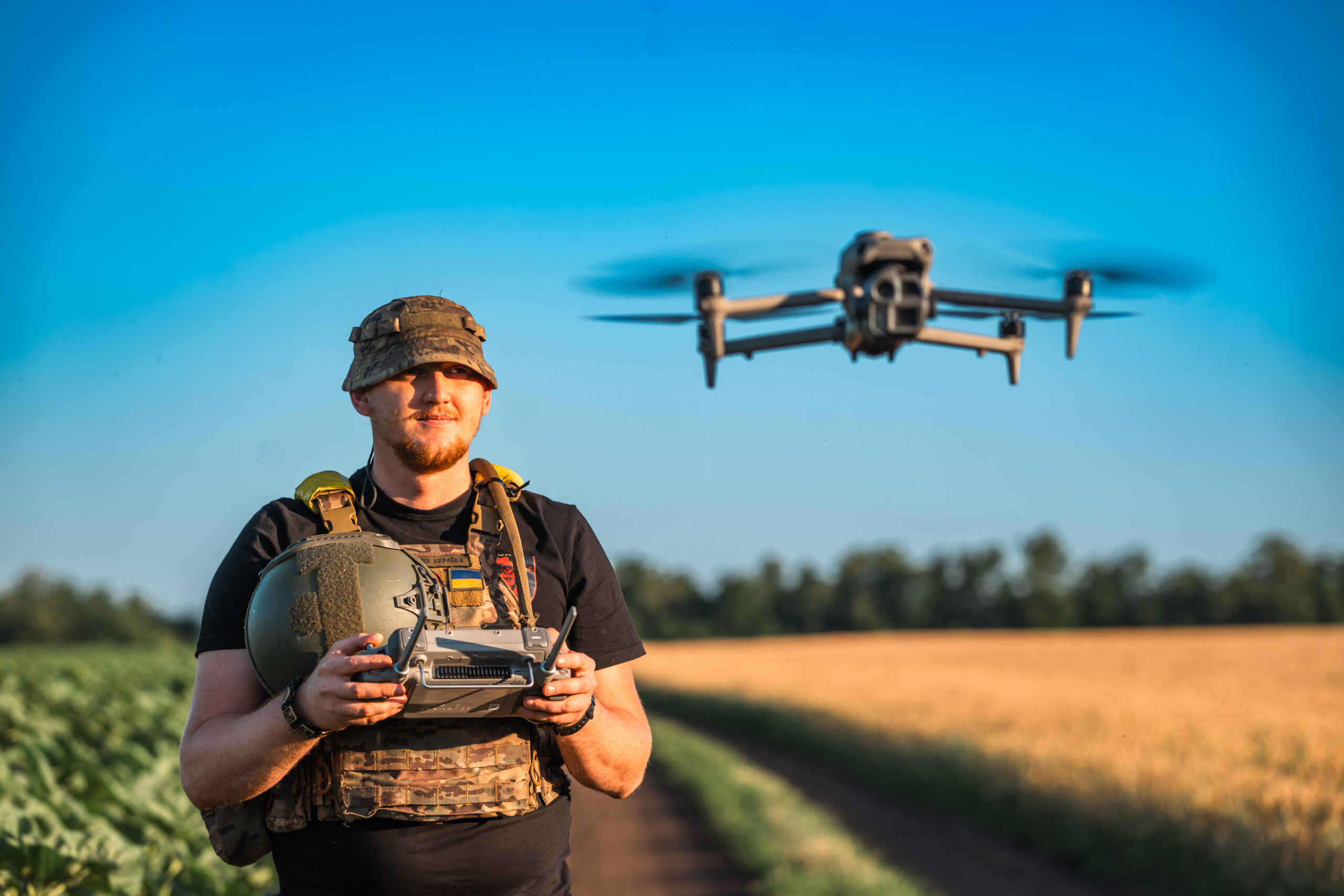
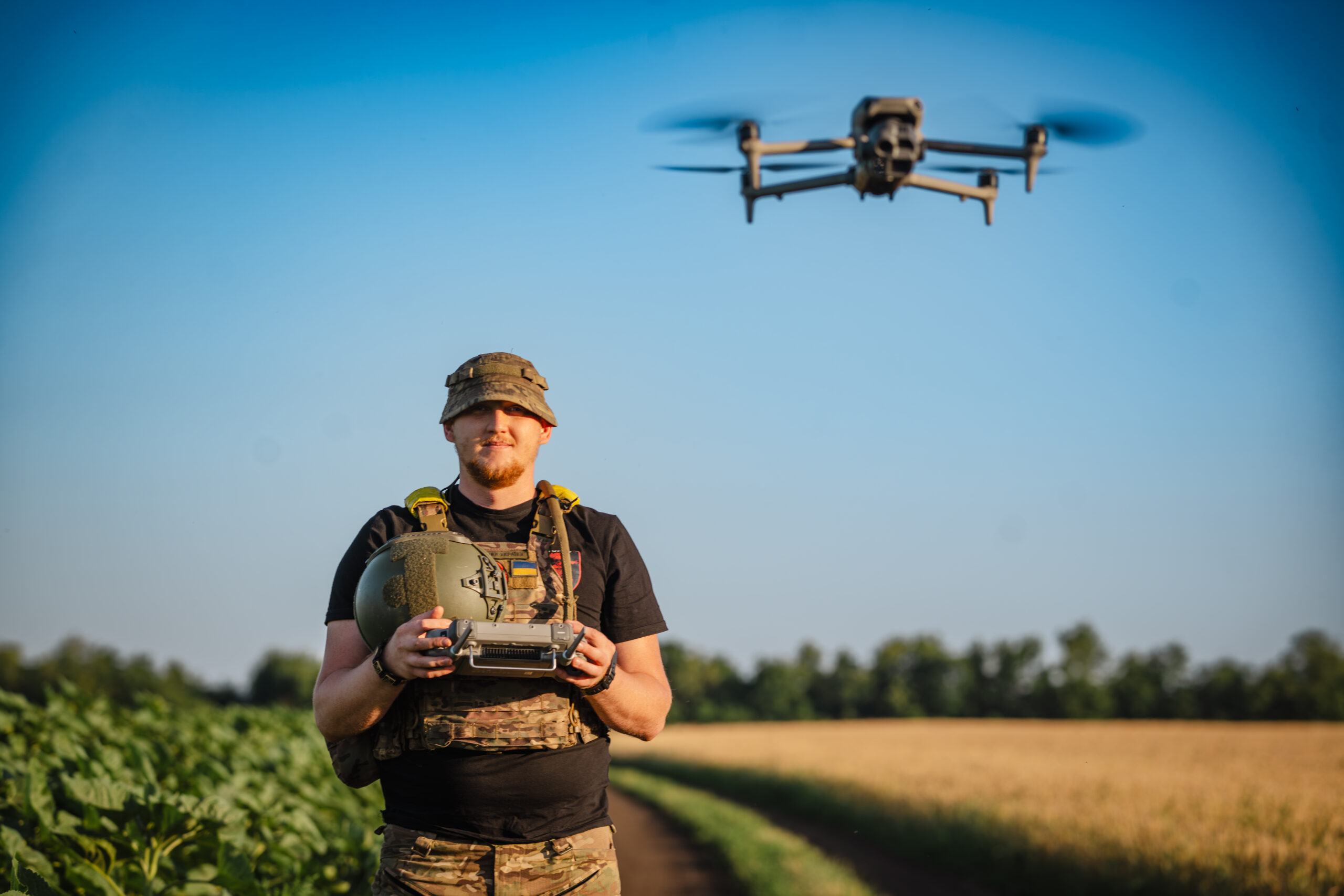
He expresses his views on those who refuse to join the military without aggression, but with unflinching clarity. Yes, there is fear. People are afraid. But staying at home doesn’t mean you’re safe. Shelling doesn’t discriminate. And waiting isn’t an option.
Because if everyone waits, then they’ll end up waiting under someone else’s flag.
Its story is a journey that began with the defense of the city and led to a high-tech war. From machine guns to drones. From reacting to threats to waging a deliberate struggle.
And at the heart of this path lies a simple truth: he knows what he’s fighting for.