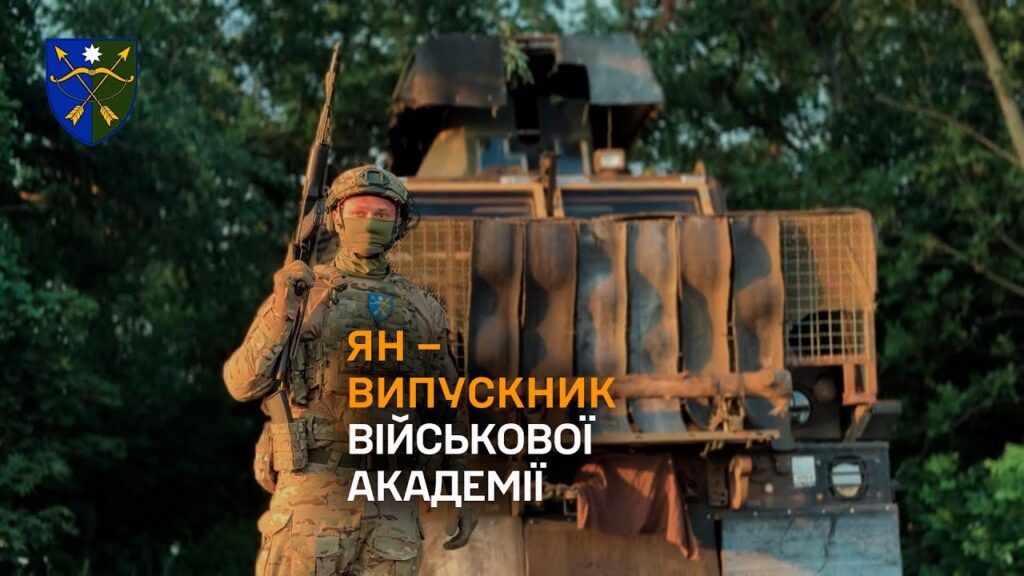
He is 21. He has already spent six of those years in uniform. A lieutenant with the call sign “Yan,” and a platoon commander in the 23rd Mechanized Brigade, he joined the brigade in July 2025 — immediately after graduating from the National Army Academy in Lviv. His path to the military was neither accidental nor a matter of circumstance. It began back in his school years — with a choice he made, following his older brother’s example.
After high school, Yan enrolled in a military academy in Lviv. His brother, who is now serving as a helicopter pilot, had attended the same school. It was this example that became his guiding light. After graduating from the academy, he continued his education at the National Army Academy, where he chose the infantry branch and specialized in becoming a mechanized platoon commander. Two years at the academy, four years at the academy — six years of training for a career he took seriously from the very beginning.
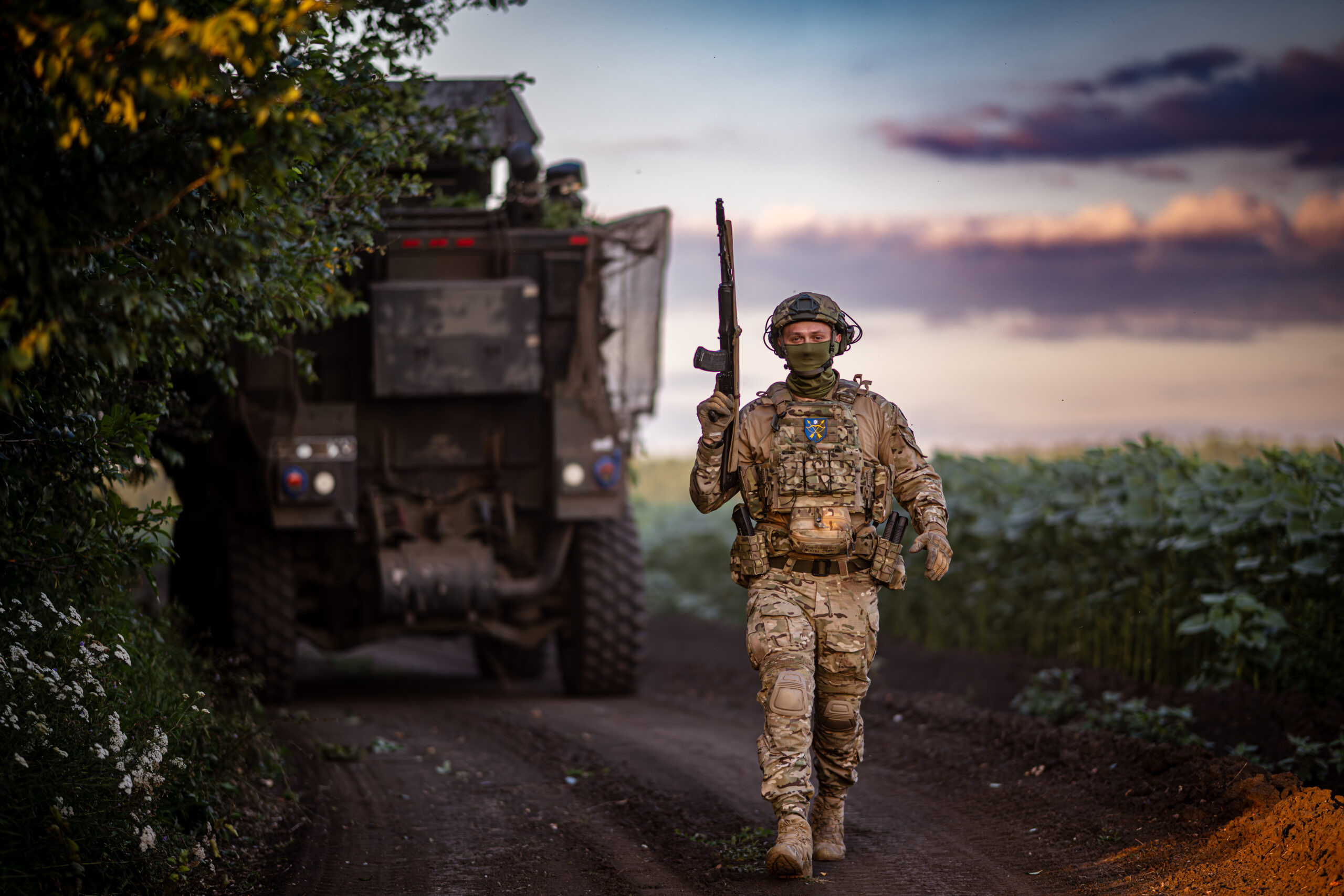
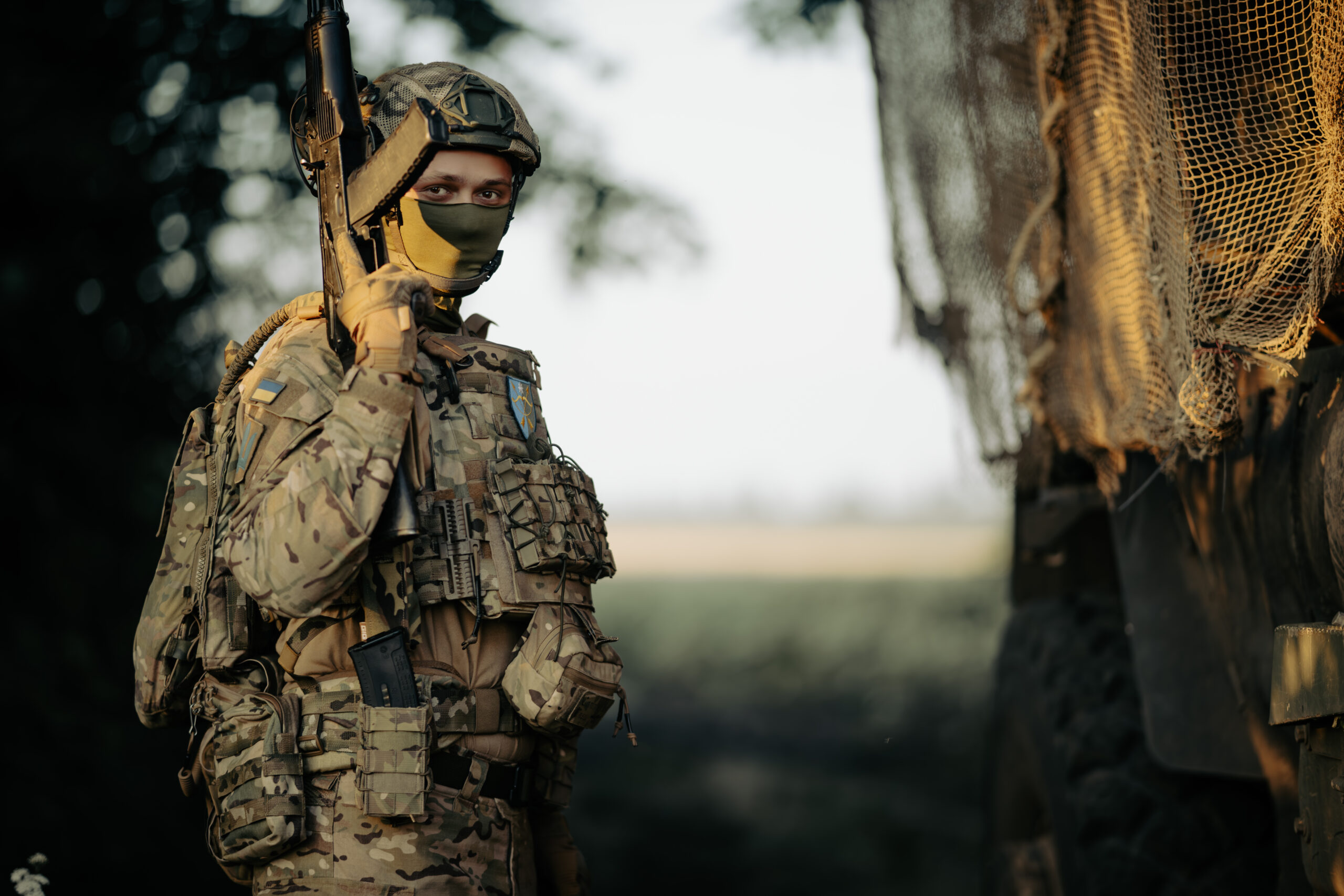
Even before graduating, he had seen war — not in textbooks or lecture halls. In March, he was doing an internship with the 24th Brigade in the Chasovy Yar sector. His group was deployed to Virolyubivka — a village three kilometers from the front line. There, they were setting up a second line of defense. Later, he was stationed at the battalion’s command and observation post: he monitored the units’ operations, the positions, the evacuation of the wounded, and the delivery of new soldiers to the front lines. And he managed not only to see how everything actually unfolded, but also to personally oversee an evacuation operation for the wounded.
This internship provided an experience that neither books nor lectures can offer. It gave me what matters most — a sense of the reality of war and an understanding of the cost of every decision.
When Yan joined the 23rd Brigade, he already had certain expectations. Before his deployment, he had heard all sorts of things about it, including a lot of negative comments. But the reality turned out to be different. The first thing that pleasantly surprised him was the attitude of the command. The battalion commander, the chief of staff, and the deputies — people who, in his words, clearly understand where they are and what war is really like.
The most important thing for him is that they look out for people here. They don’t throw them “into the fray,” they don’t operate according to the Russian army’s logic, but instead plan every operation down to the smallest detail. How to deploy personnel, where people should exit, which route to take, how to organize the withdrawal, how the vehicle will retreat — all of this is planned in advance. And it is precisely this, he says, that instills a sense of trust in the unit he has joined.
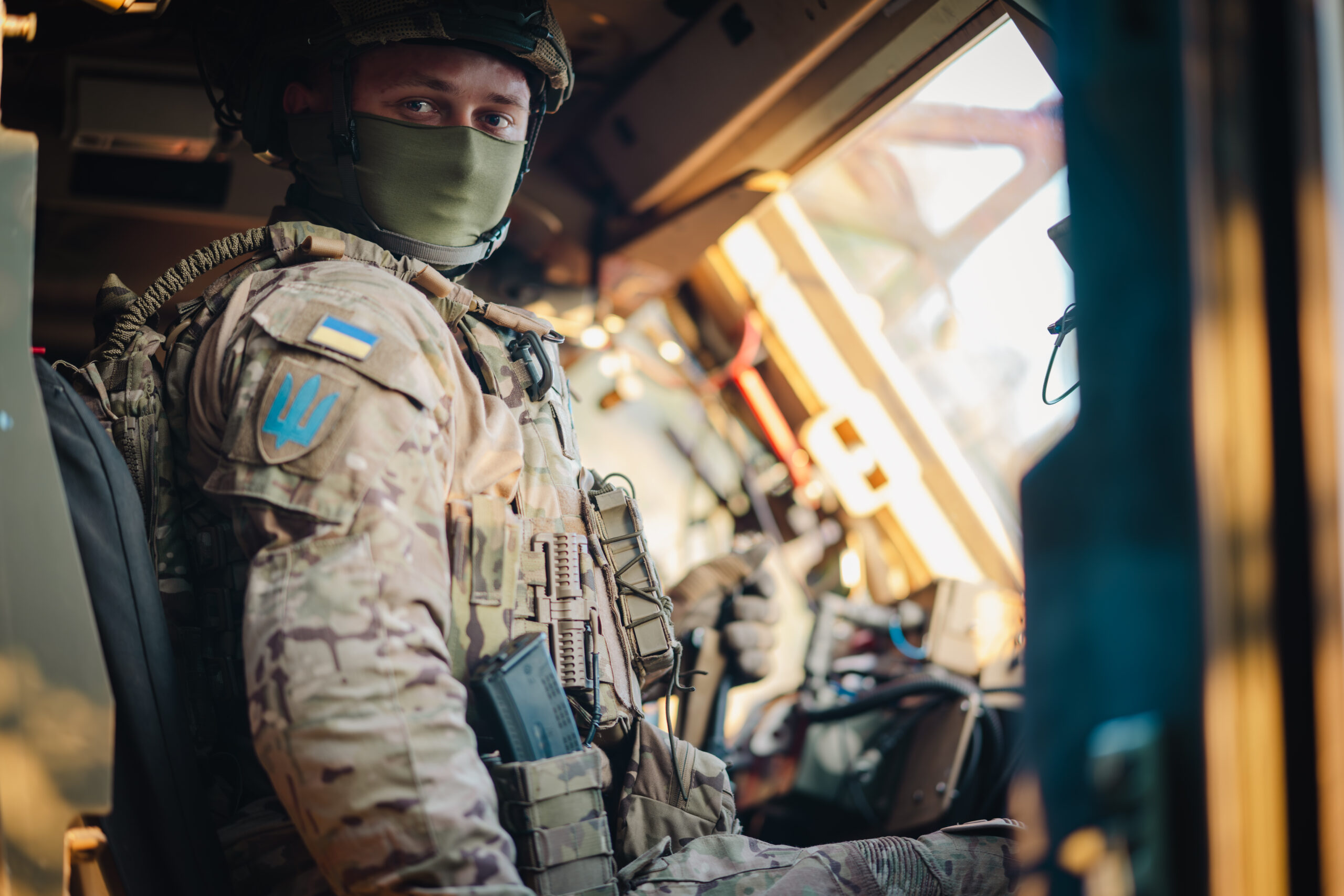
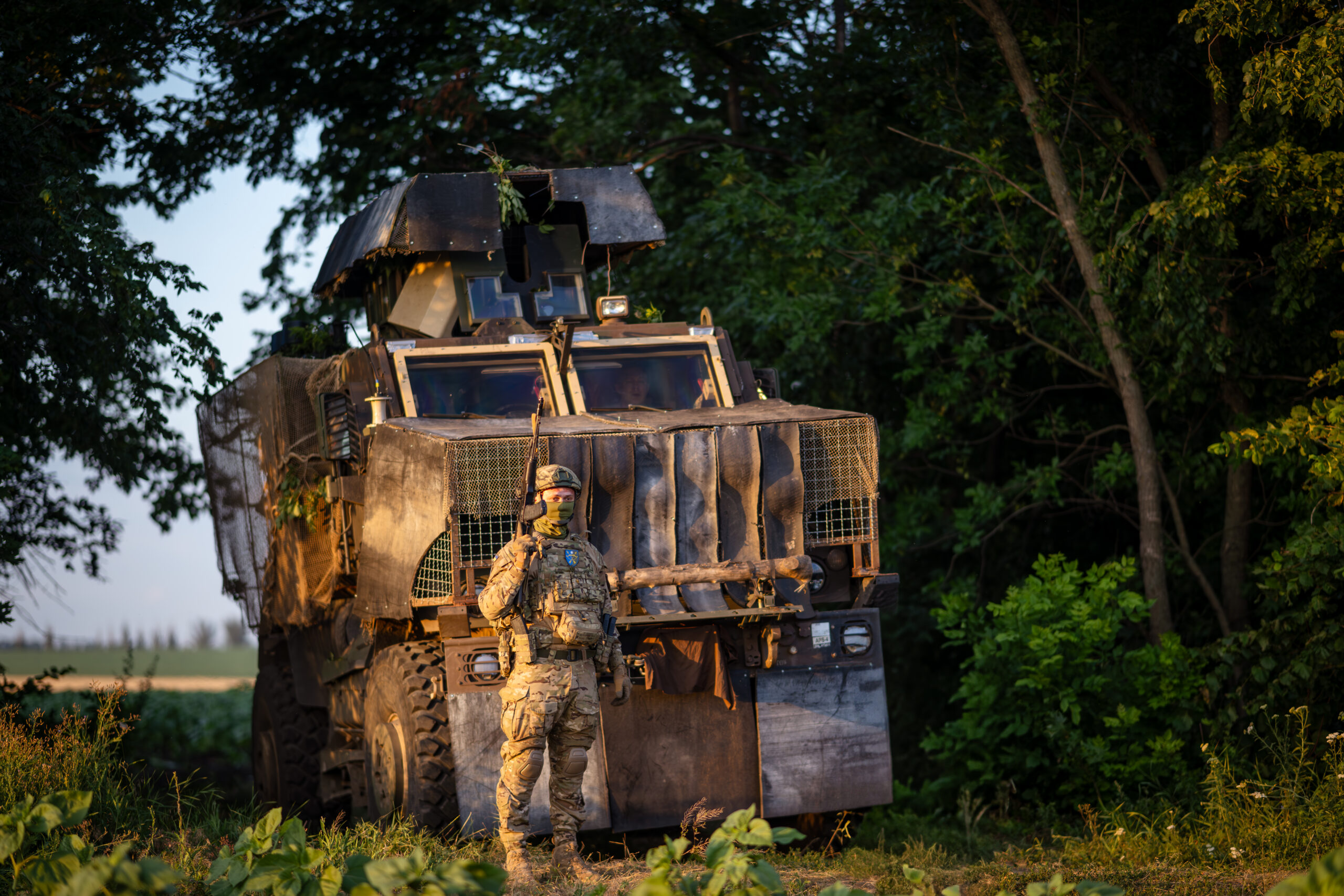
Upon arriving at the brigade, Yan met his platoon. The main problem was a catastrophic shortage of personnel. There weren’t enough people. This was the first thing that struck the young officer after graduating from the academy. There, they had been taught a single model of warfare — one with a full complement of personnel, a sufficient number of soldiers, and theoretically well-established processes. Reality turned out to be different: there are very few personnel, but the tasks still need to be carried out. And this forces you to look for new solutions, adapt, and think differently.
That said, the men already in his platoon make a good impression on him. He describes them as motivated. They want to learn, ask questions, take an interest in their service, and don’t remain indifferent. Yan goes out to the training ground with them, constantly conveying new information, explaining, and demonstrating. And he sees that they listen to him not out of obligation, but out of an inner need to understand, to prepare, and not to be caught off guard when their time comes.
He also recalls a moment that was particularly significant to him: after meeting the young officers, the brigade commander gave orders not to send them straight to the front lines. First came acclimatization — time to settle into their roles, get to know the unit, and understand the situation. For the young lieutenant, this decision was a sign of a responsible approach. Especially given the stories of his fellow graduates who had been assigned to other units and had already been wounded.
Yan makes no secret of his strong stance toward those who evade military service. For him, this is neither an abstract nor a political issue. He himself spent six years consciously preparing for the military — physically, mentally, and professionally. And that is why it pains him especially to see people older than him looking for ways to escape, to leave, to avoid responsibility, yet still wanting victory.
At the same time, he doesn’t limit himself to mere criticism. On the contrary, he speaks of the need to recruit young, energetic, and motivated people — those who are ready not just to wear a uniform, but to serve in the unit, grow, learn, carry out combat missions, and be a reliable pillar of support for their comrades.
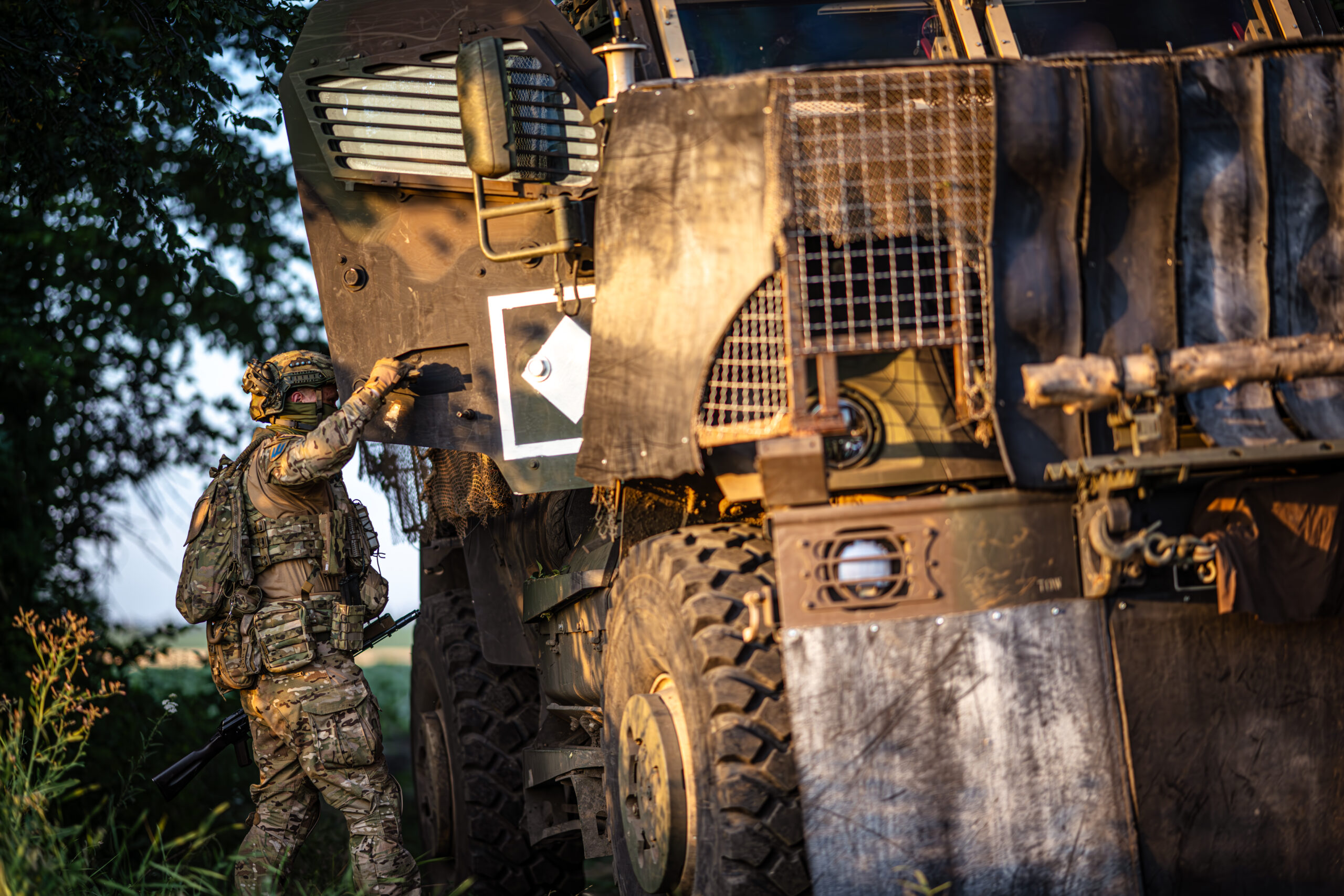
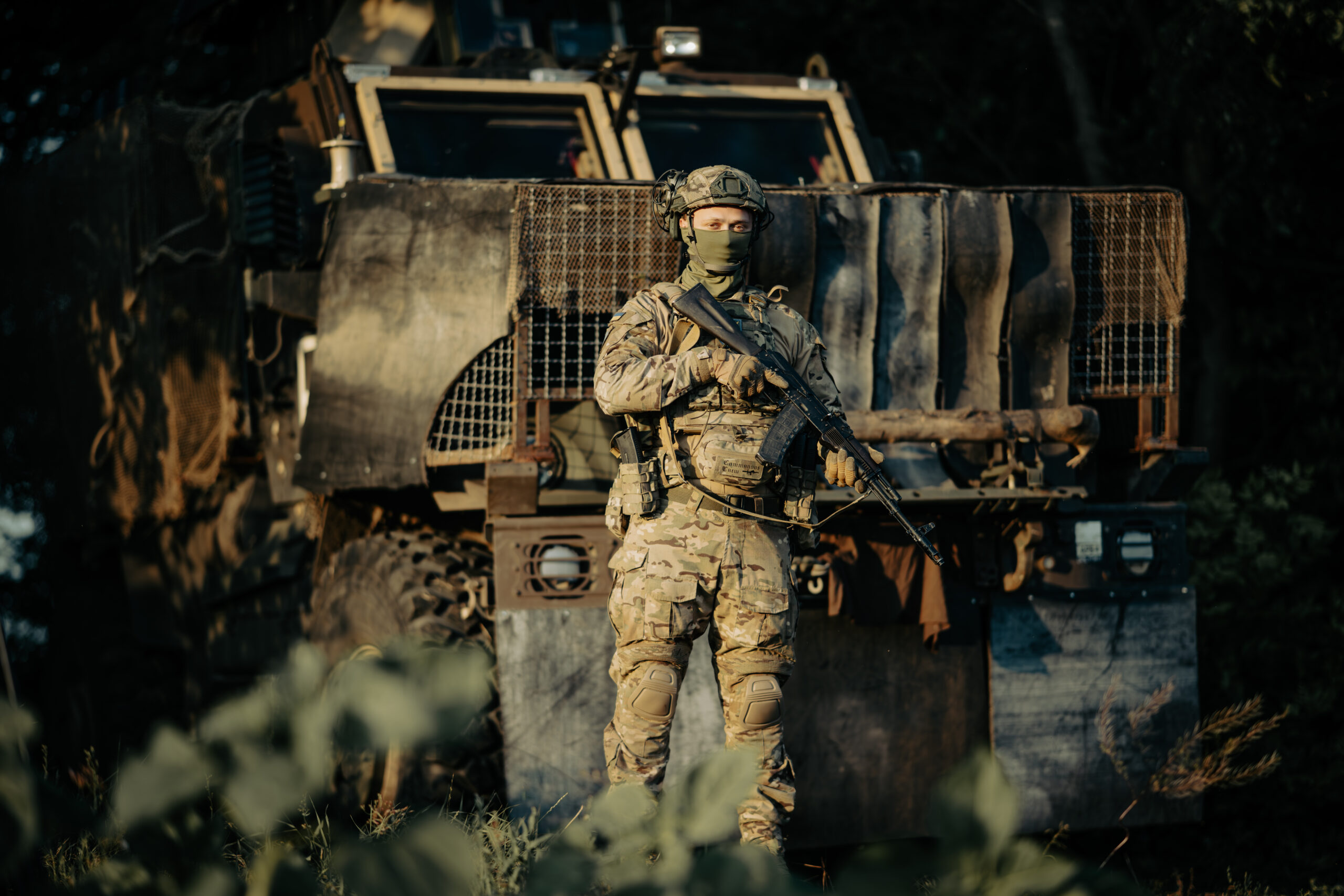
In five years, Yan sees himself as nothing less than a battalion commander. But even more than that, he hopes the war will be over by then. This is the realistic aspiration of an officer who is still very young but already has a clear understanding of what the front lines, responsibility, and the cost of service entail.
His story is about a generation that didn’t enter the war by chance. It’s about those who chose to don a uniform while still in their youth and now must learn to fight not according to textbook strategies, but in a reality where manpower is scarce, where every decision carries weight, and where the reliability of a comrade-in-arms is not just a nice phrase, but a matter of survival.
And that is precisely why his words ring true: we need young, energetic, and motivated soldiers — the kind you can go on a combat mission with and be certain will have your back.